




Hair loss is a natural phenomenon that occurs to all men throughout their lives, but in some cases it can become progressive and lead to baldness. Male pattern baldness, also known as androgenetic alopecia, is a common condition that affects millions of men around the world. In addition to the aesthetic implications, hair loss can have a significant impact on mental and social health, affecting individuals' self-esteem, confidence and quality of life.
Diagnosis of Hair Loss and Male Pattern Baldness
The first step to understanding and treating baldness is a correct diagnosis. A clinical assessment is carried out by a health professional based on analysing the pattern of hair loss, family history and hormonal factors. In some cases, laboratory tests may be ordered to rule out secondary causes such as nutritional deficiencies, autoimmune diseases or hormonal changes.
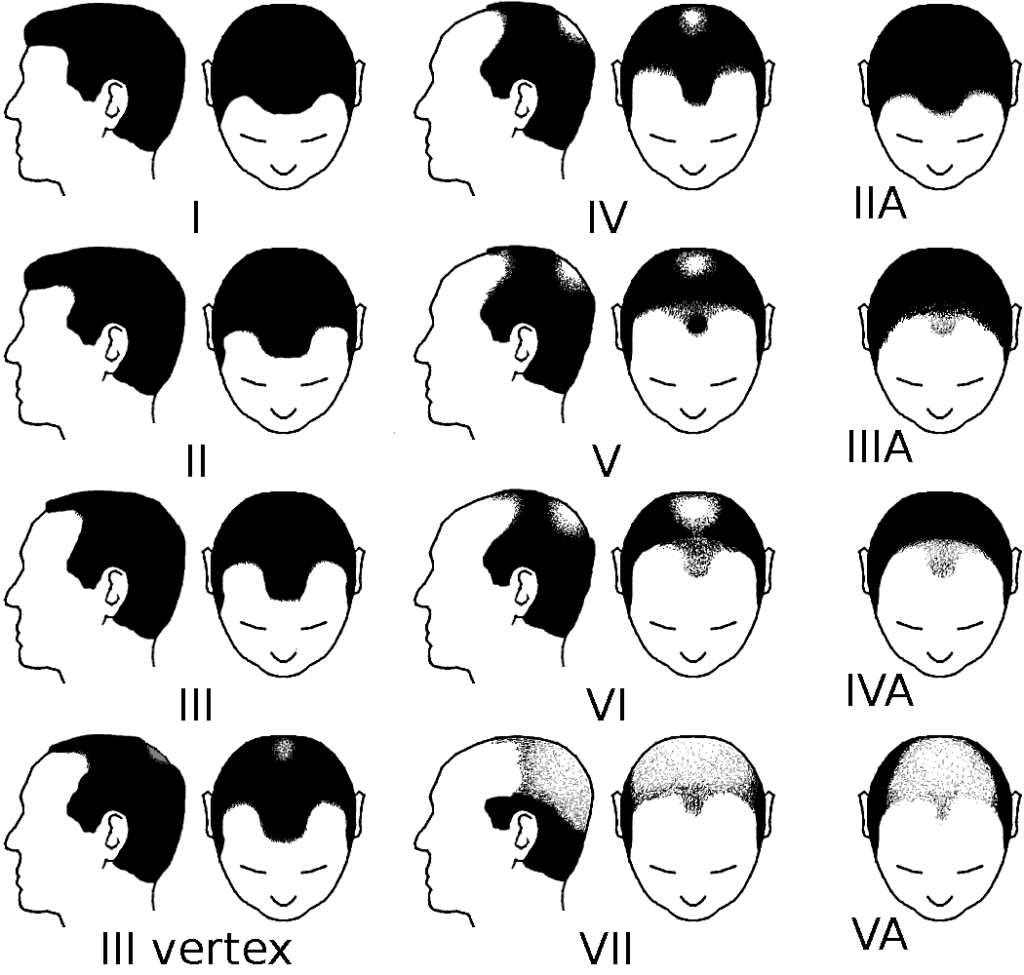
Male pattern baldness follows a progressive pattern classified by the Norwood-Hamilton ScaleThe problem can range from slight hair thinning to extensive hair loss. Early identification of the problem is essential for more effective treatment.
How Does Hair Loss Affect Mental Health and Social Life?
Hair loss can have a significant emotional impact, affecting self-esteem and the way the individual sees themselves. Among the most common psychological effects are:
- Low self-esteemThe perception of premature ageing and a change in image can diminish confidence.
- Anxiety and stressConstant preoccupation with appearance can generate psychological tension.
- DepressionIn more serious cases, hair loss can contribute to depressive symptoms and social isolation.
- Difficulties in interpersonal relationshipsSome men report greater inhibition in social and romantic contexts.
Treatment Options for Baldness
The good news is that there are several treatments available to combat hair loss and slow down the progression of baldness. These include topical approaches, oral medication and specialised procedures.
1. topical treatments
Local application treatments stimulate blood circulation in the scalp, strengthening hair follicles and helping to slow down hair loss. Studies indicate that, with continuous use, they can increase hair density and reduce the progression of baldness by up to 40% patients.
2. Oral treatment
Oral treatments are one of the most effective and safest options for slowing down male pattern baldness. By acting directly on the hormonal factors that contribute to hair loss, this option has demonstrated a success rate of more than 80%with stabilisation of hair loss and new hair growth in about 60% patients.
In addition, the safety of oral treatment is high, with rare and generally reversible side effects after discontinuation of use. Adherence to treatment is essential to achieve consistent and lasting results.
3. Medical and surgical procedures
For more advanced cases, complementary therapies may be recommended, such as:
- Low-intensity laser therapy (LLLT): Stimulates hair follicles.
- Platelet Rich Plasma (PRP): Uses growth factors to revitalise the scalp.
- Hair transplantSurgical procedure that redistributes follicles from an area with hair to bald areas, providing a permanent solution.
Hair Loss: When to Seek Professional Help?
The most appropriate treatment should be chosen on the basis of an individualised assessment by a health professional. In Doctor on the Net, we offer specialised online consultations to diagnose and treat hair loss effectively and discreetly.
A male hair loss While acne can have a profound impact on self-esteem and quality of life, there are a number of effective treatment options. From topical and oral solutions to advanced procedures, it's possible to find the ideal approach for each case.
If you're dealing with hair loss, book an appointment online consultation for hair loss on Médico na Net and get professional advice to choose the best treatment.