




In the face of unexpected situations such as natural disasters, power outages, wars or public health emergencies, having a basic emergency kit can make all the difference. Following the recommendations of the European Union, citizens are encouraged to prepare in advance, securing food, water, medicines and other essentials for at least 72 hours.
In this article Doctor on the Net shares practical guidelines on how to set up your home emergency kitwith a focus on your family's health, safety and well-being.
Why Should You Have an Emergency Kit at Home?
Emergency situations can arise without warning. Have a plan and a set of essential items ready:
Reduces stress in times of crisis
Guarantees access to food, hygiene and basic healthcare
Provides greater autonomy if public services become unavailable
Help protect the most vulnerable, such as children, the elderly or the chronically ill
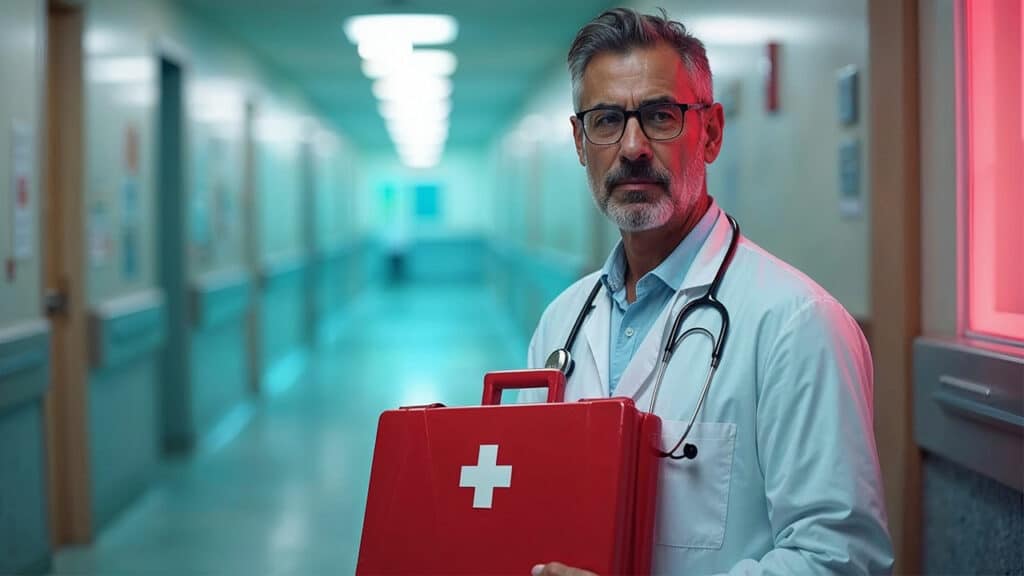
What to Include in Your Emergency Kit
The ideal emergency kit should allow your family to be safe, hydrated, fed and informed during 3 consecutive dayswithout the need for external support.
Non-perishable food
Tinned food (tuna, beans, soups, sausages)
Energy or cereal bars
Dried and dehydrated fruit
Powdered or long-life milk
Biscuits and biscuits without filling
Prioritise foods that are easy to consume and have a long shelf life, that don't require refrigeration or elaborate preparation.
Drinking Water
3 litres per person per day (minimum), for drinking and basic hygiene
Bookings for at least 3 days
Alternative: water purification tablets
Medicines and Healthcare
Regular medication (with several days' supply)
Analgesics, antipyretics and antihistamines
Thermometer, scissors, bandages, compresses and disinfectant
Disposable masks, gloves and disinfectant gel
💡 No Doctor on the Net you can order prescription renewals online to make sure you always have the right medicines to hand.
Essential and survival items
Torch with spare batteries or solar charging
Portable radio (battery-operated or solar) to receive information
Candles, matches and lighter
Portable chargers and cables
Copies of important documents
Cash (small amounts)
Personal Hygiene
Toilet paper and wipes
Soap or disinfectant gel
Toothbrush and toothpaste
Sanitary towels, nappies or other specific products
Refuse bags with zip
How to Stay Calm During an Emergency
Moments of uncertainty generate anxiety. That's why it's important:
Having a family communication plan
Avoid information overload - follow only official sources
Practising simple breathing and relaxation techniques
Sleep and eat regularly whenever possible
Keep in touch with neighbours or support networks
🧠 If you need psychological support, the Doctor on the Net can help with online enquiries safe and discreet.
Update your kit regularly
Check expiry dates food and medicines
Replaces used or expired items
Keep the kit in an accessible and dry place
Informs all members of the household where the kit is and how to use it
Conclusion
Having a emergency kit prepared is a simple and effective way to protect your health and that of your family in unpredictable situations. Preparing in advance isn't scaremongering - it's responsibility.
The Doctor on the Net is by your side at all times, with online medical appointments, prescriptions, certificates and professional support available wherever you are.
⚕️ Prepare yourself with information and peace of mind. And if you need us, we're here to help.