


What is Chlamydia?
Chlamydia is a sexually transmitted infection (STI) caused by a bacterium called Chlamydia trachomatis. It can affect both men and women and is transmitted through unprotected vaginal, anal or oral sex. It can also be transmitted from mother to baby during labour.
It's a common and often silent infection, as most infected people have no symptoms. However, even without symptoms, it can cause serious complications if left untreated.
Symptoms of Chlamydia
In women
- Abnormal vaginal discharge
- Pain or burning during urination
- Pain during sexual intercourse
- Pain in the lower abdomen
- Bleeding outside the menstrual period or after sexual intercourse
In men
- Urethral discharge (from the penis)
- Pain or burning during urination
- Pain or discomfort in the testicles
In both sexes
If the infection reaches the rectum or throat (through anal or oral sex), it can cause pain, rectal discharge, pain when defecating or a sore throat, although there are often no symptoms.
Why should you worry even without symptoms?
Chlamydia can go undetected for a long time, but it remains active and transmissible. If left untreated, it can cause
- Infertility
- Pelvic inflammatory disease in women
- Inflammation of the testicles in men
- Increased risk of contracting other STIs, such as HIV
That's why it's important to get tested even if there are no visible signs of infection.
Diagnosis of Chlamydia
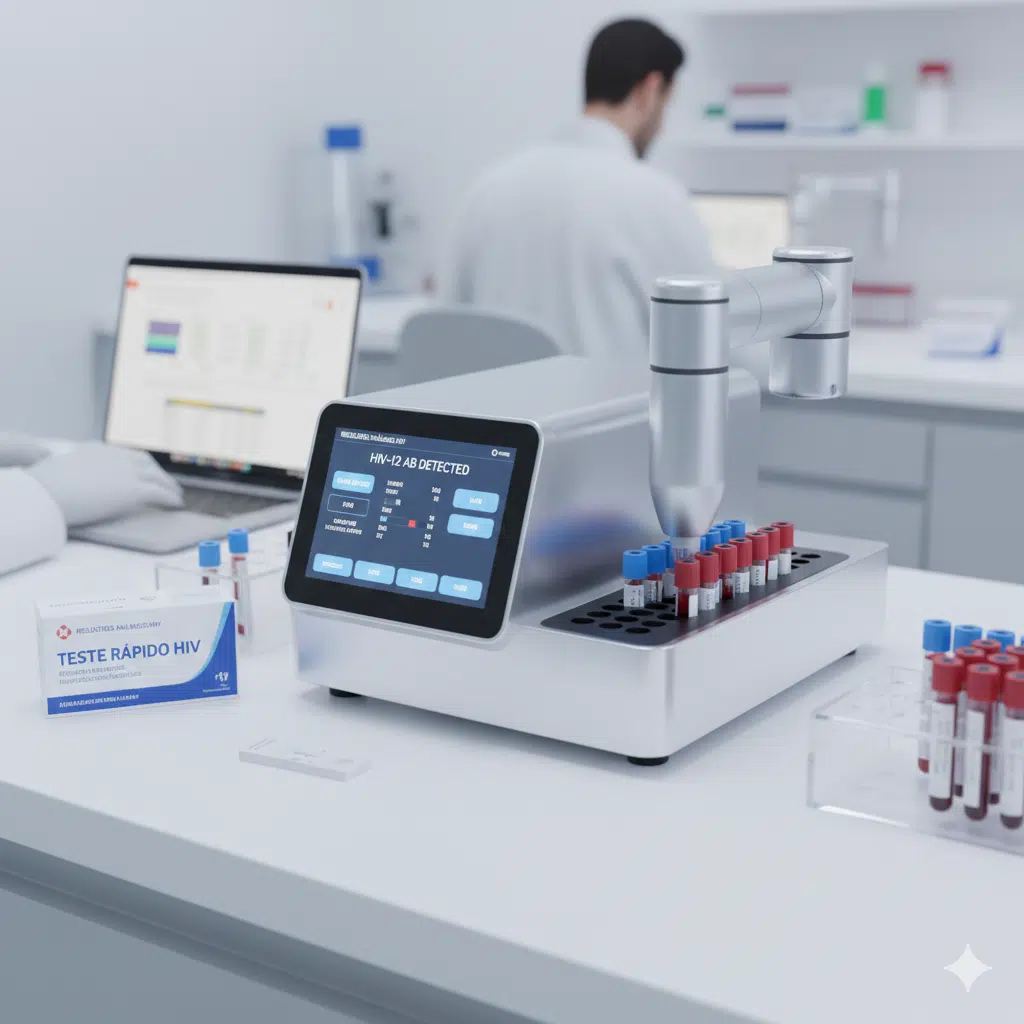
Diagnosis is simple and quick. It can be done through
- Urine test
- Vaginal, cervical, urethral or anal swab, depending on the type of sexual contact
The analysis is carried out in a laboratory and the results are usually available within a few days.
Chlamydia treatment
Chlamydia is treated with antibiotics prescribed by a doctor. It is important:
- Follow the prescribed medication correctly
- Also treat sexual partners to avoid re-infection
- Avoid sexual intercourse until the treatment is finished
- Repeat the test if your doctor tells you to
With the right treatment, the infection is easily curable.
Chlamydia prevention
To avoid infection:
- Always use a condom in all sexual relations (vaginal, anal and oral)
- Get tested regularly for STIs, especially if you have new partners
- Talk openly with your partners about sexual health
When should you get tested?
Consider getting tested for Chlamydia if:
- Had unprotected sex
- You have new or multiple partners
- You have symptoms, however mild
- You are pregnant or planning to become pregnant
- Your partner has been diagnosed with an STI
Chlamydia is a common infection, often silent, but with serious consequences if left untreated. Fortunately, it's easy to diagnose and cure. If you think you might be at risk, don't put it off: speak to a doctor and get tested. At Médico na Net, you can book your appointment online quickly, safely and confidentially.