


What is HIV?
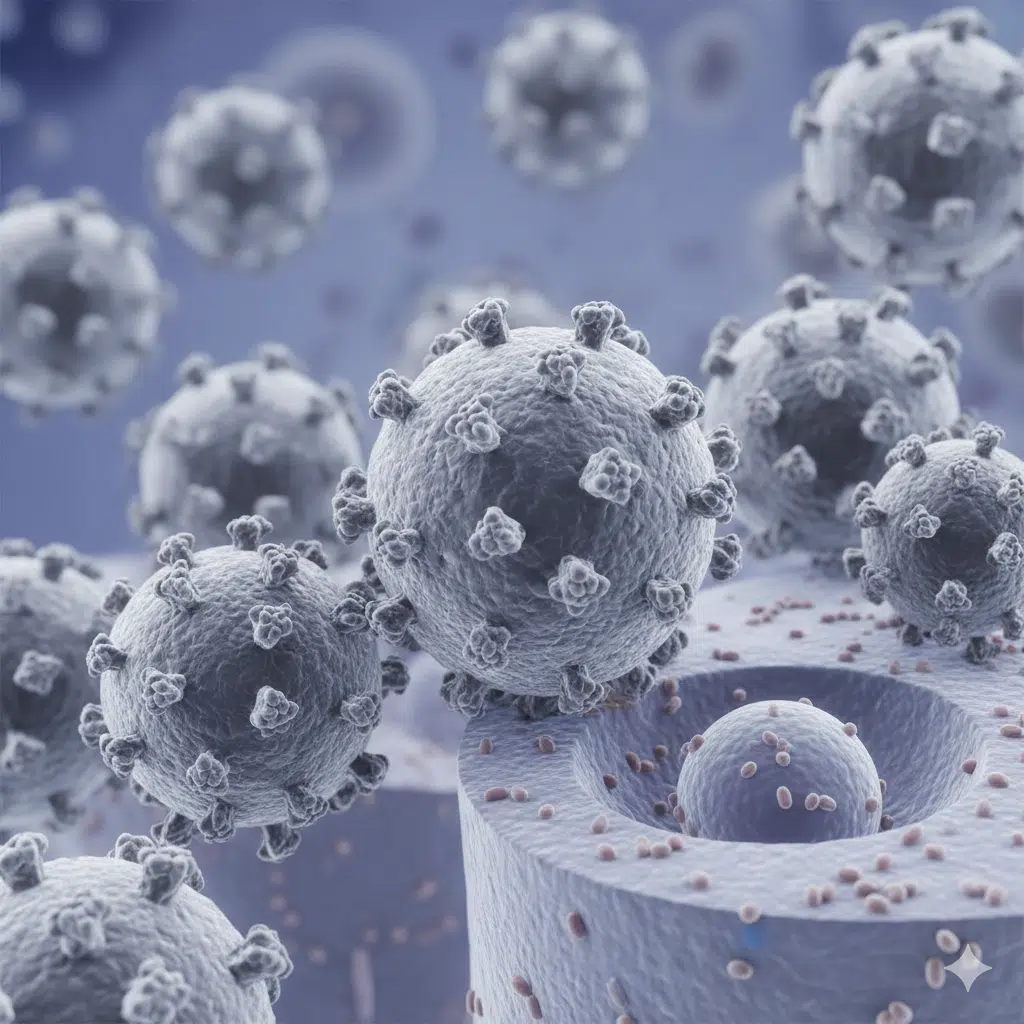
HIV (Human Immunodeficiency Virus) is a virus that attacks the immune system, progressively weakening the body's defences against infections and diseases. When left untreated, it can develop into AIDS (Acquired Immunodeficiency Syndrome), the most advanced stage of the infection.
How is HIV transmitted?
HIV is transmitted through contact with infected bodily fluids:
- Blood
- Semen and vaginal secretions
- Breast milk
The main ways of infection are
- Unprotected sexual intercourse
- Sharing needles or syringes
- Mother-to-child transmission during pregnancy, childbirth or breastfeeding
- Blood transfusions (now extremely rare in Portugal due to strict controls)
What are the symptoms of HIV?
HIV symptoms vary depending on the stage of infection:
1. Acute phase of infection (2 to 4 weeks after infection)
At this early stage, some people may experience flu-like symptoms:
- Fever
- Sore throat
- Extreme tiredness
- Swollen lymph nodes
- Muscle ache
- Skin rashes
Not all infected people have symptoms at this stage, which can make early detection difficult.
2. Clinical latency phase (asymptomatic phase)
After the acute phase, the virus continues to multiply slowly. This phase can last for years and the person may not show any symptoms, but they are still contagious. It's a silent but active phase, where HIV continues to damage the immune system.
3. Late symptomatic phase and AIDS
Over time, if left untreated, the immune system weakens significantly and opportunistic infections arise. Symptoms can include:
- Severe weight loss
- Recurrent fevers or night sweats
- Persistent fatigue
- Prolonged diarrhoea
- Dry cough or shortness of breath
- Mouth or genital lesions
- Pneumonia or other serious infections
HIV diagnosis
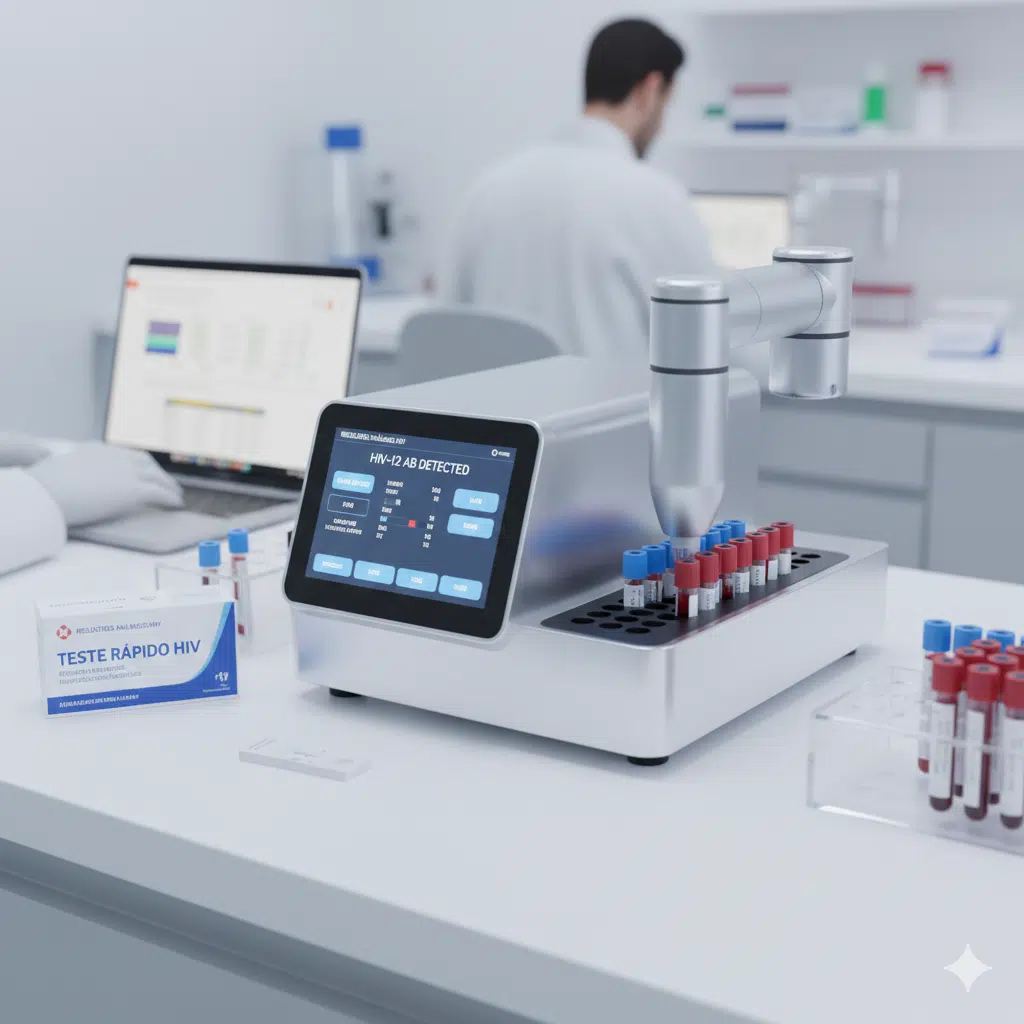
Diagnosis is made using a serological test (blood or saliva), available free of charge and confidentially in health centres and associations. Early screening is essential in order to start treatment on time.
Find out more about diagnosing STIs here.
HIV treatment
Antiretroviral treatment (ART) is effective and affordable:
- Reduce viral load to undetectable levels
- Improving quality of life
- Prevent progression to AIDS
- Prevent transmission of the virus to other people
When the viral load is undetectable, the virus is not transmitted sexually (“undetectable = non-transmissible”).
Differences between men and women in the context of HIV
Although HIV affects people of all genders, there are important clinical and social differences:
Women
- Symptoms can be confused with common gynaecological infections.
- Increased risk of transmission in unprotected vaginal intercourse.
- Risk of vertical transmission (mother to baby) during pregnancy and childbirth, preventable with treatment.
Men
- Symptoms such as genital ulcers or urinary infections can be more easily recognised.
- Specific populations, such as men who have sex with men (MSM), are more at risk and benefit from more frequent screening campaigns.
When should I take the test?
- After unprotected sex
- If syringes or needles have been shared
- In case of pregnancy or family planning
- As part of a regular health screening
The importance of prevention
- Consistent condom use
- Regular screening tests
- Sex education
- Access to treatment and medical follow-up
HIV/AIDS continues to be a major public health issue, but it is no longer a death sentence. With early diagnosis, appropriate treatment and regular medical monitoring, it is possible to live with the virus safely, healthily and without the risk of transmission. Information, prevention and the elimination of stigma remain essential tools in the fight against infection. If you have any doubts or are at risk, seek medical advice and get tested. Taking care of your health is an act of responsibility towards yourself and others.