


If you feel more comfortable, you can opt for a telephone consultation on the appointment form.
The doctor assesses your case, indicates the appropriate analyses and, if confirmed, the right treatment.
Genital herpes is a sexually transmitted infection (STI) caused by herpes simplex virus (HSV) usually HSV-1 or HSV-2.
It affects so much men as women, The skin and mucous membranes of the genital, anal and, in some cases, oral areas are affected.
After infection, the virus remains latent in the nerve ganglia, You can reactivate periodically, especially in situations of stress, illness, intense sun exposure or low immunity.
The first symptoms usually appear between 2 and 12 days after contact and can include burning, itching, pain and small blisters that evolve into painful wounds in the genital or anal area.
Many people, however, no visible symptoms, They continue to transmit the virus without knowing it.
Genital herpes has no definitive cure, but it is treatable and controllable.
The antiviral reduce the duration and severity of outbreaks, relieve symptoms and reduce the risk of transmission.
With medical supervision and appropriate treatment, it is possible to living in comfort, safety and quality of life, This keeps the virus under control and prevents new reactivations.
The symptoms of genital herpes vary depending on the type of virus (HSV-1 or HSV-2), the frequency of reactivations and each person's immune response.
Many people can no visible symptoms, This facilitates transmission during sexual contact, even without the infected person realising it.
When manifestations appear, they are usually divided into two main clinical phases:
Primary phase (first outbreak, 2 to 12 days after contact)
In this initial phase, the virus multiplies rapidly in the cells of the skin and mucous membranes, causing local inflammation and more intense symptoms.
The most common signs include:
These symptoms usually last between 2 to 4 weeks, gradually disappearing.
After healing, the virus remains latent in the nerve ganglia.
Recurring phase (reactivations)
After the first outbreak, the virus can reactivate periodically, causing new episodes generally milder and of shorter duration.
Typical symptoms of reactivation include:
Recurrences tend to become less frequent over time, and many patients manage long periods without symptoms.
Even when there are no visible lesions, herpes can remain active and transmissible, especially in the days before and after outbreaks.
Antiviral treatment helps reduce the frequency and intensity of seizures, to control symptoms and reduce the risk of transmission to sexual partners.
The genital herpes is transmitted mainly through the direct sexual contact with an infected person by the herpes simplex virus (HSV-1 or HSV-2).
Transmission occurs when the virus present in mucous membranes or genital secretions comes into contact with the skin or mucous membranes of another person, especially through microlesions invisible to the naked eye.
The main forms of transmission of genital herpes include:
Unlike other infections, herpes not transmitted through casual contactsuch as:
Infection almost always occurs during direct skin-to-skin contact in the genital, anal or oral area.
The correct use of condoms significantly reduces the risk of transmission, although it doesn't eliminate it completely, as the virus can infect areas not covered by the condom.
Other forms of prevention include:
Fulfilling the prescribed antiviral treatment, This helps to reduce the frequency and intensity of reactivations, as well as reducing the risk of transmission.
The diagnosis of genital herpes is done through medical assessment and, where necessary, of specific laboratory tests which make it possible to identify the herpes simplex virus (HSV-1 or HSV-2) or the antibodies produced by the body.
These tests help to confirm the infection, even in cases without obvious symptoms, guaranteeing an accurate diagnosis and the start of appropriate treatment.
The process is organised to ensure clinical rigour, security and total confidentiality:
This process guarantees rapid, confidential diagnosis guided by a doctor, This will help to effectively control genital herpes and improve the patient's quality of life.

One of the most challenging features of genital herpes is that many infected people have no visible symptoms, especially in the first few episodes.
Even without sores or blisters, the virus can remain active in nerve cells, It is transmitted to sexual partners during intimate contact.
The absence of symptoms does not mean that the virus has disappeared. O herpes simplex virus (HSV-1 or HSV-2) can remain latent in the nerve ganglia and reactivate during periods of stress, fatigue, sun exposure, fever or reduced immunity.
Even when it doesn't cause any visible signs, genital herpes can evolve silently and cause damage:
Genital herpes can remain latent for life, It is also known as the "asymptomatic period", alternating between asymptomatic periods and occasional reactivations.
That's why medical screening and regular monitoring are essential to confirm the diagnosis, guide treatment and reduce the risk of transmission.
With the appropriate antiviral treatment, It is possible to control the virus effectively, reduce the frequency and intensity of outbreaks and reduce the risk of infection.
Clinical follow-up also helps to recognise triggering factors and adopt preventative measures, ensuring physical and emotional well-being and a safe sex life.
Selecione abaixo a opção mais adequada para a sua situação:
Consulta para Diagnóstico – indicada para quem apresenta sintomas (como lesões, dor, ardor ou comichão na região genital) ou suspeita de exposição ao vírus, mas ainda não realizou exames.
Consulta para Tratamento – indicada para quem já possui diagnóstico confirmado de herpes genital (HSV-1 ou HSV-2) e pretende iniciar, ajustar ou renovar o tratamento.
Defina o dia e a hora no calendário disponível e preencha o formulário médico inicial com as suas informações de saúde e eventuais exposições de risco (ex.: contacto sexual desprotegido ou parceiro com sintomas).
Conclua o pagamento de forma simples e segura.
Valor da consulta: 35 €
No dia agendado, o médico irá analisar os seus sintomas, histórico clínico e fatores de risco.
In consulta para diagnóstico, poderão ser recomendadas análises específicas para confirmação, como:
Teste PCR (zaragatoa da lesão) – identifica o vírus do herpes simples (HSV-1 ou HSV-2) diretamente na amostra, mesmo em casos de sintomas ligeiros.
Serological test (HSV-1 and HSV-2 antibodies) – deteta a presença de anticorpos no sangue, útil em situações sem lesões visíveis ou em infeções recorrentes.
In consulta para tratamento, o médico avalia os exames já realizados e indica o tratamento antiviral mais adequado.
Caso o resultado confirme a infeção por herpes genital, será realizada uma segunda consulta online para:
Explicação detalhada do resultado
Esclarecimento de dúvidas
Prescrição do tratamento antiviral adequado
Orientação sobre medidas preventivas e gestão de sintomas
Aconselhamento em casos de recorrência
This process allows for a quick, safe and confidential diagnosis, with specialised medical follow-up and treatment tailored to your clinical needs.
The genital herpes is a sexually transmitted infection (STI) caused by herpes simplex virus (HSV-1 or HSV-2).
It affects the skin and mucous membranes of the genital, anal or oral region and is one of the most common STIs worldwide.
The virus remains in the body after the initial infection and can reactivate periodically, causing new outbreaks.
Yes. Many people with genital herpes no visible symptoms, especially in the early stages.
Even without lesions, the virus can remain latent in the nerve ganglia and can be transmitted to sexual partners through intimate contact.
The absence of symptoms does not mean that the virus has disappeared.
Symptoms can vary in intensity and frequency, but the most common include:
Between outbreaks, the virus can remain inactive for weeks, months or years.
After booking an appointment online and filling in the medical questionnaire, the doctor will assess your case and may recommend specific laboratory tests such as:
The analyses can be carried out in the laboratory of your choice, as long as it uses validated methods for detecting HSV.
Yes. All data and results are treated with total confidentiality, in compliance with the GDPR and health data protection regulations.
Clinical information is not shared with third parties without your consent.
If the result confirms the infection, the doctor performs a second online consultation to:
Yes. It is important to inform current or recent sexual partners, as genital herpes can be transmitted even in the absence of symptoms.
Your doctor can advise you on how to communicate this information safely and responsibly.
Today, genital herpes there is no definitive cure, but it is controllable with antiviral treatment.
Medication helps to reduce the duration and intensity of outbreaks and reduce the risk of transmission.
Yes. The doctor may recommend new tests in case of recurrent symptoms or recent exposure to infected partners.
Sexually active people should keep regular medical follow-up, especially if they have frequent episodes.
If you develop severe pain, high fever, urinary retention, extensive lesions or symptoms that don't improve, you should seek urgent medical attention in person.
Teleconsultation does not replace face-to-face service in serious situations.
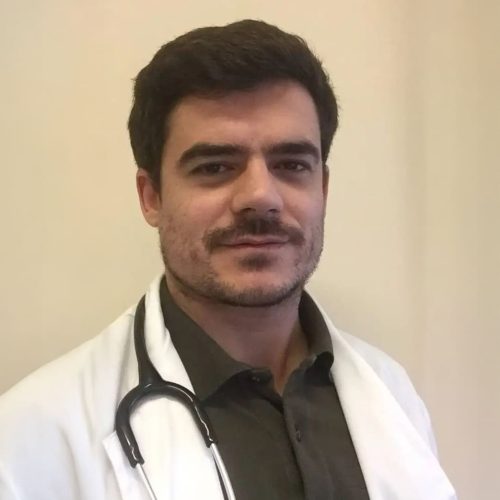
Dr Igor Faria
Training: Faculty of Medicine, University of Porto
No. of doctors: 48611
Welcome to Médico na Net! I'm Dr Igor Faria and I see medicine as a commitment to proximity, where every patient deserves to be listened to and cared for carefully.
Since the beginning of my career, I've always been fascinated by the possibility of making a difference, whether in prevention, emergency or long-term follow-up.
I believe that medicine should be accessible and person-centred, with an empathetic and integrative approach.

Dr Mafalda Morais
Training: University of
Santiago de Compostela
No. of doctors: 57192
Welcome to Médico na Net! I'm Dr Mafalda and I've always had a passion for medicine and the positive impact it can have on people's lives.
I believe that medical care should be accessible, precise and reliable, always respecting the individuality of each patient.
With an empathetic and humanised approach, I'm here to help you take care of your health in a complete and personalised way.
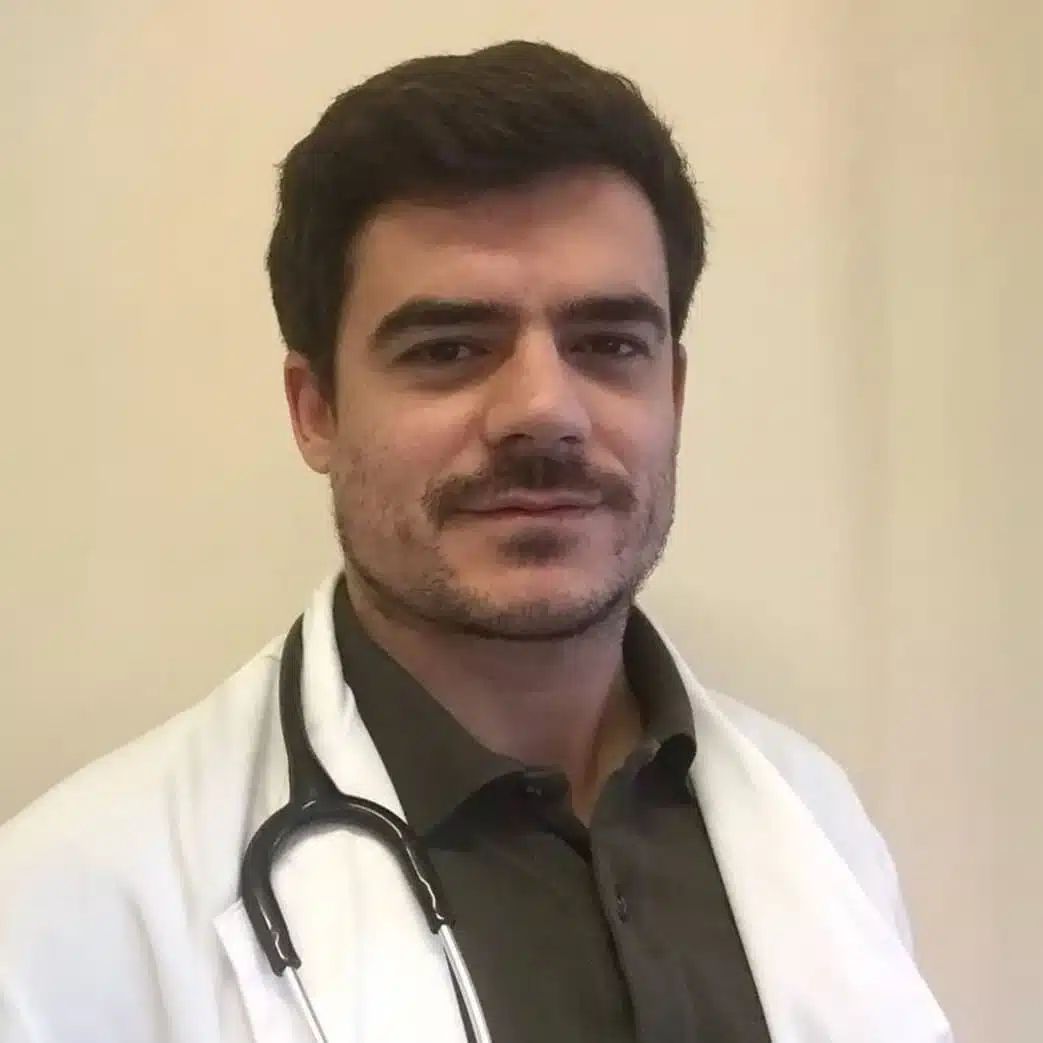
Training: Faculty of Medicine, University of Porto
No. of doctors: 48611
Dr Igor Faria has over 16 years' experience as a doctor and a career marked by a commitment to care and proximity to his patients. He graduated from the Faculty of Medicine of the University of Porto (FMUP) in 2008 and specialised in General Practice in 2014, achieving the title of Graduate Assistant in 2023. With a postgraduate qualification in Sports Medicine, he combines his clinical knowledge with the promotion of health and well-being in different contexts.
Throughout her career, she has been part of emergency medical teams and ongoing support, namely in the VMER in Viana do Castelo between 2010 and 2022 and in monitoring Residential Structures for the Elderly (ERPI) from 2014 to the present. Her experience and training reflect a broad interest in areas such as Geriatrics, Preventive Medicine, Emergency Medicine, Cardiology and Sports Medicine, guaranteeing comprehensive care tailored to the needs of each patient.
Her approach is based on empathy, active listening and an integrative vision of medical care. She believes that humour can be an essential tool in the doctor-patient relationship, making consultations lighter and more accessible. At Médico na Net, her main goal is to help those who can't find a solution in the National Health Service, providing a service that is accessible, humane and focused on the autonomy and well-being of her patients.
Outside of medicine, he devotes himself to his family, sport and personal development, believing that a balance between body and mind is essential for a fulfilling life. Guided by values such as beneficence, autonomy, sincerity, integrity and justice, he sees every consultation as an opportunity to help, guide and make a difference. As he likes to say, inspired by Confucius: "Choose a job you love and you won't have to work a day in your life."

Training: University of
Santiago de Compostela
No. of doctors: 57192
Dr Mafalda graduated in Medicine from the University of Santiago de Compostela, completing her studies in 2013. Since then, she has specialised in General Practice and has accumulated 12 years' experience in patient care in various healthcare institutions. She complemented her training with a postgraduate qualification in Sports Medicine and Aesthetic Medicine, allowing her to offer more comprehensive care adapted to the different needs of her patients.
He currently works at USF Foz do Lima and the Viana do Castelo Private Hospitalwhere she provides medical care centred on well-being and prevention. He has worked in various health institutions.
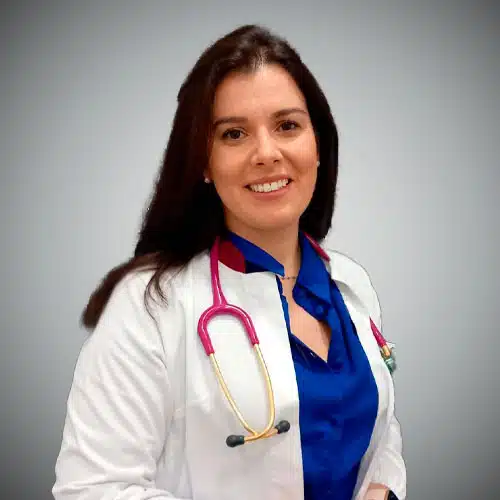
Training: University of Barcelona
No. of doctors: 71409
Dr Alexandra Azevedo graduated in Medicine from the University of Barcelona in 2015, where she subsequently specialised in General Practice. During her training, she developed a strong interest in the approach to chronic pain, having completed an integrated master's degree in Medicine and Surgery with clinical research into pain management. Her professional experience includes several years of clinical practice in Spain, particularly in Catalonia, where she has had contact with a wide variety of pathologies and challenges, both in the emergency department and in primary healthcare.
She currently works as a family doctor at the ULS Braga. She has been a member of the medical-surgical emergency team at Vila Nova de Famalicão Hospital and has worked as a guest lecturer at the Nursing School of the University of Minho, teaching anatomy and physiology of the circulatory, respiratory and digestive systems.
Her main clinical interests include emergency medicine, chronic pain, depression and anxiety, as well as preventive medicine and the control of vascular risk factors. She is also dedicated to anti-smoking counselling and weight loss counselling, helping her patients to adopt healthier lifestyle habits. Her approach to care is based on a holistic vision, considering health as a balance between physical and psychological well-being.
Dr Alexandra stands out for her humanism and her ability to offer quick and effective solutions to minor problems, ensuring that her patients feel well looked after. At Médico na Net, she sees an opportunity to bring healthcare to more people in an accessible and convenient way.
Passionate about music and travelling, she loves getting to know different cultures and lifestyles, which enriches her view of the world and her medical practice. For her, medicine is not just a profession, but a real commitment to the well-being of the people she cares for. As she likes to say: "Health is the balance between physical and psychological well-being.