

Online health, no waiting

Online health, no queues, no waiting!

Log in

Simple Health, for Everyone

Log in

Did you sleep badly again?
Treat insomnia with specialised medical care online

Online medical consultation to understand the causes of your insomnia and receive medical advice on how to regain sleep and well-being.

The most common symptoms of insomnia:

Digital

Book your appointment online for treatment of insomnia and sleep disorders and improve your rest with online medical monitoring.
Personalised, safe solutions adapted to your lifestyle.

Consultation Price

80€

Insomnia is a sleep disorder characterised by difficulty falling asleep, staying asleep or rest in a restorative way, even when there is adequate time and conditions to sleep.
It's one of the most common sleep complaints and can affect people of all ages, but is more frequent in adults and at times of increased stress or changes in routine.

Insufficient sleep interferes with physical, mental and emotional balance, This compromises concentration, mood, productivity and general health.
Depending on the duration, insomnia can be:

  • Acute or transient, This is when it lasts for days or weeks and is usually associated with situations of stress, anxiety or temporary changes in routine;
  • Chronicle, when it is extended by more than three months and has a significant impact on quality of life.

The causes of insomnia are multifactorial and may involve psychological, behavioural and medical factors, such as anxiety, depression, chronic pain or the use of stimulants.

Although it's common, insomnia should not be ignored.
Medical supervision makes it possible to identify the source of the problem and adopt effective strategies to restore sleep, from lifestyle adjustments until supervised pharmacological treatment, when necessary.

Insomnia is a sleep disorder that can affect both the duration and quality of rest.
Depending on the cause and duration, it can take different forms: acute, chronicle or secondary, each with its own manifestations.

Acute (or transient) insomnia
It's temporary and usually caused by stressful situations, changes in routine or intense emotional events.
Symptoms usually last for days or a few weeks and can include:

  • Difficulty falling asleep despite tiredness
  • Occasional nocturnal awakenings
  • Light sleep and a feeling of not resting when you wake up
  • Irritability, anxiety or tension during the day
  • Difficulty concentrating and increased mental fatigue

Chronic insomnia
It is characterised by difficulty sleeping three or more times a week for at least three months.
It can be associated with psychological problems (such as anxiety or depression), physical illnesses, the use of stimulants or poor sleep hygiene.
Symptoms are more persistent and include

  • Constant difficulty initiating or maintaining sleep
  • Multiple and prolonged awakenings during the night
  • Waking up too early and not being able to get back to sleep
  • Excessive daytime sleepiness and loss of productivity
  • Mood swings, irritability and anxiety
  • Morning headaches and a feeling of permanent exhaustion

Over time, chronic insomnia can affect the immune system, cardiovascular health and emotional balance, requiring specialised medical assessment.

Secondary (or comorbid) insomnia
It arises as a consequence of other medical or psychological conditions, such as:

  • Anxiety, depression or post-traumatic stress
  • Chronic pain, asthma, gastro-oesophageal reflux or thyroid problems
  • Sleep apnoea or restless legs syndrome
  • Side effects of medication (antidepressants, corticosteroids, stimulants)

Symptoms depend on the underlying cause, but often include:

  • Fragmented sleep and a feeling of light sleep
  • Awakenings caused by physical discomfort or anxiety
  • Constant tiredness, even after several hours in bed

Even in mild cases, insomnia should be assessed by a doctor. Appropriate treatment can restore sleep balance, improve mental well-being and prevent physical and emotional complications.

Insomnia can have multiple causes, which vary from person to person and result from the interaction between psychological, behavioural, environmental and medical factors.
In many cases, more than one factor is involved, which makes careful clinical assessment essential to identify the source of the problem.

1. Psychological and emotional factors

  • Anxiety, stress and excessive worryThey make it difficult to relax and prolong the time it takes to fall asleep.
  • Depression and other mood disorderssleep-wake cycle and are often associated with early awakenings.
  • Traumas or stressful events (such as bereavement, separation or professional pressures): they can trigger episodes of acute insomnia.

2. Behavioural and lifestyle factors

  • Excessive use of screens before bed (phones, tablets, television), which inhibit the production of melatonin.
  • Irregular sleep schedules and routine changes (such as shift work or jet lag).
  • Consumption of caffeine, nicotine or alcohol in the hours close to sleep.
  • Lack of regular physical activity or excessive night work.

3. Medical and physiological factors

  • Diseases that cause chronic pain (such as arthritis, fibromyalgia or low back pain).
  • Respiratory diseases, such as asthma or sleep apnoea.
  • Gastro-oesophageal reflux, hyperthyroidism or hormonal changes (such as menopause).
  • Side effects of medicines, These include antidepressants, corticosteroids, decongestants and stimulants.

4. Environmental factors

  • Inadequate noise, light or temperature in the bedroom.

Uncomfortable rest areas or frequent changes of sleeping location.

The diagnosis of insomnia is clinical, based on a detailed medical assessment that analyses sleep habits, lifestyle, emotional state and possible medical causes associated.

1. First online consultation

During the consultation, the doctor detailed collection of the patient's medical history, evaluating:

  • The symptoms and their duration (difficulty falling asleep, nocturnal awakenings, non-restorative sleep);
  • Daily routines, sleep habits and environmental factors;
  • Stress, anxiety or other emotional problems;
  • Medication in use and pre-existing illnesses that may interfere with sleep.

Based on this assessment, the doctor can identify the type of insomnia (acute, chronic or secondary) and determine whether there is a need for further tests.

2. Complementary examinations (when indicated)

In some cases, the doctor may recommend it:

  • Sleep diary, This is a great way to record the time, quality and duration of your sleep over a few days;
  • Actigraphy, which monitors sleep and wake cycles using a portable device;
  • Polysomnography is a test carried out in a laboratory or at home, which assesses physiological parameters during sleep (breathing, heartbeat, movement and oxygenation).

These tests help to distinguish insomnia from other sleep disorders, such as apnoea or restless legs syndrome.

3. Diagnosis and therapeutic plan

After the assessment, the doctor will explain the probable causes and suggest a course of action. personalised treatment plan, which may include:

  • Sleep hygiene strategies and relaxation techniques;
  • Cognitive-behavioural therapy for insomnia (CBT-I), considered the most effective long-term treatment;
  • Medical monitoring and, if clinically indicated, temporary support medication.

The treatment of insomnia depends on the cause, duration and impact of the symptoms on daily life.

1. Personalised medical advice

During the consultation, the doctor will analyse the symptoms, sleep habits and emotional or physical factors that contribute to the difficulty in sleeping, guiding you towards the most effective treatment for your case.

2. Cognitive Behavioural Therapy for Insomnia (CBT-I)

A Cognitive Behavioural Therapy for Insomnia (CBT-I)also known as CBT-I, is the first-line treatment for insomnia, recommended by organisations such as the American Academy of Sleep Medicine and NICE (United Kingdom).

It is based on structured techniques that help to identify and modify the thoughts and behaviours that interfere with sleep. The aim is to restoring natural sleep, without relying on medication or side effects.

During the process, the doctor helps:

  • Correct irregular sleep patterns and habits that maintain insomnia;
  • Reduce anxiety and excessive focus on sleeping;
  • Reinforce the positive association between bed and sleep;
  • Promote a balanced and sustainable rest routine.

CBT-I has proven effectiveness and long-lasting results, with significant improvements in just a few weeks.
In many cases, it eliminates the need for sleep aids. improve sleep quality in a stable and natural way.

Dania Neto

Data on Insomnia in Portugal:

  • 46% of Portuguese aged 25 and over sleep less than 6 hours a day
  • 21% say they take more than 30 minutes to fall asleep, 32% consider themselves to be poor sleepers 
  • 40%s report difficulty staying awake while driving and other daily activities. 

(Results of the Portuguese Society of Pneumology Survey)

⚠️

Warning: if you experience intense drowsiness when driving, severe apnoea or fainting at night, you should seek urgent face-to-face assessment.

How the Insomnia Consultation works:

1

Book your appointment online:

Fill in the form on this page and proceed to payment.

2

Make the payment:

Make your payment simply and securely. After payment, you will be contacted by our support team to book an appointment.

3

Personalised medical assessment:

During the consultation, the doctor assesses your symptoms, sleep patterns, daily habits and possible underlying causes (such as anxiety, depression, chronic pain, hormonal changes or the use of stimulants).

If necessary, the doctor may recommend additional tests, such as

  • Sleep diary (recording sleep times and quality for 1 to 2 weeks);
  • Sleep assessment scales (e.g. Insomnia Severity Index);
  • Laboratory tests (to rule out hormonal or metabolic deficits or associated diseases).


4

Monitoring and treatment:

Based on the diagnosis, the doctor defines the most appropriate therapeutic plan, which may include:


  • Cognitive Behavioural Therapy for Insomnia (CBT-I) - first-line treatment, based on techniques that help restore natural sleep and reduce the associated anxiety;
  • Adjusting sleep habits and routines (sleep hygiene);
  • One-off medication, if clinically indicated, used in a controlled and temporary manner.


Regular medical follow-up makes it possible to monitor progress, adapt treatment as necessary and guarantee a gradual and sustainable improvement in sleep quality.

 

Online Psychiatry Consultation for Insomnia and Sleep Disorders

Once you have filled it in and paid, you will be contacted by our support team to book your appointment.

Frequently Asked Questions (FAQ)

I'm afraid of having to rely on medication to sleep. Can that happen?

It's a very common concern. Most cases of insomnia no need for continuous medication.
The first-line treatment is Cognitive Behavioural Therapy for Insomnia (CBT-I), which helps restore natural, long-lasting sleep.
When medication is necessary, it is only used for a limited time and under medical supervision, to avoid the risk of addiction.

Adverse reactions are rare and, when they do occur, they are usually mild and transient - such as daytime sleepiness, dizziness or impaired concentration.

If uncomfortable symptoms appear, the doctor immediately review the therapeutic plan, You can adjust the dose, change the drug or prioritise non-pharmacological alternatives such as Cognitive Behavioural Therapy for Insomnia (CBT-I).

Regular medical follow-up ensures that the treatment is always safe, personalised and well tolerated.

No. The plan is always adapted to your lifestyle, timetable and responsibilities.
The aim is to improve sleep without changing your professional or personal routine, promoting simple and sustainable changes.

Yes. TCC-I teaches effective strategies for dealing with the causes of insomnia and preventing relapses.
Many patients maintain the results in the long term, even after the end of follow-up.

No. In many cases, changing habits and relaxation techniques are enough.
Medication is only a one-off support and never the basis of treatment.

The most common include:

  • Use of screens before bed;
  • Consumption of caffeine, alcohol or nicotine at the end of the day;
  • Irregular sleep schedules;
  • Lack of exposure to natural light;
  • Intense physical exercise in the evening;
  • Stress or accumulated anxiety.

Small changes in these habits can have a major impact on sleep quality.

It depends on the severity of the insomnia and adherence to the plan.
With proper treatment, especially with TCC-I, Many people notice improvements in the first 2 to 4 weeks, with significant results between 8 and 12 weeks.

Yes, the treatment is adapted to the biological rhythm and routine of shift workers, including night shifts.
The doctor helps you adjust your sleep and waking times, reducing the impact of irregularities at rest.

Melatonin can help in some cases, such as circadian rhythm changes or jet lag, but it's not always the best option.
Its effectiveness depends on the dose, the time of day and the cause of the insomnia, which is why it should be used only on medical advice.

It's more common than it seems.
When basic “sleep hygiene” techniques don't work, it's a sign that there are deeper causes, such as stress, anxiety, depression or dysfunctional thinking patterns.
A TCC-I acts precisely on these causes, helping to restore natural sleep.

Yes, especially during periods of stress or changes in routine.
But those who learn the right strategies and maintain healthy habits can prevent relapses and quickly regain sleep balance.

Meet our Medical Team

Dr Igor Faria

Dr Melissa Barbosa

Training: Faculty of Medicine, University of Porto
No. of doctors: 48611

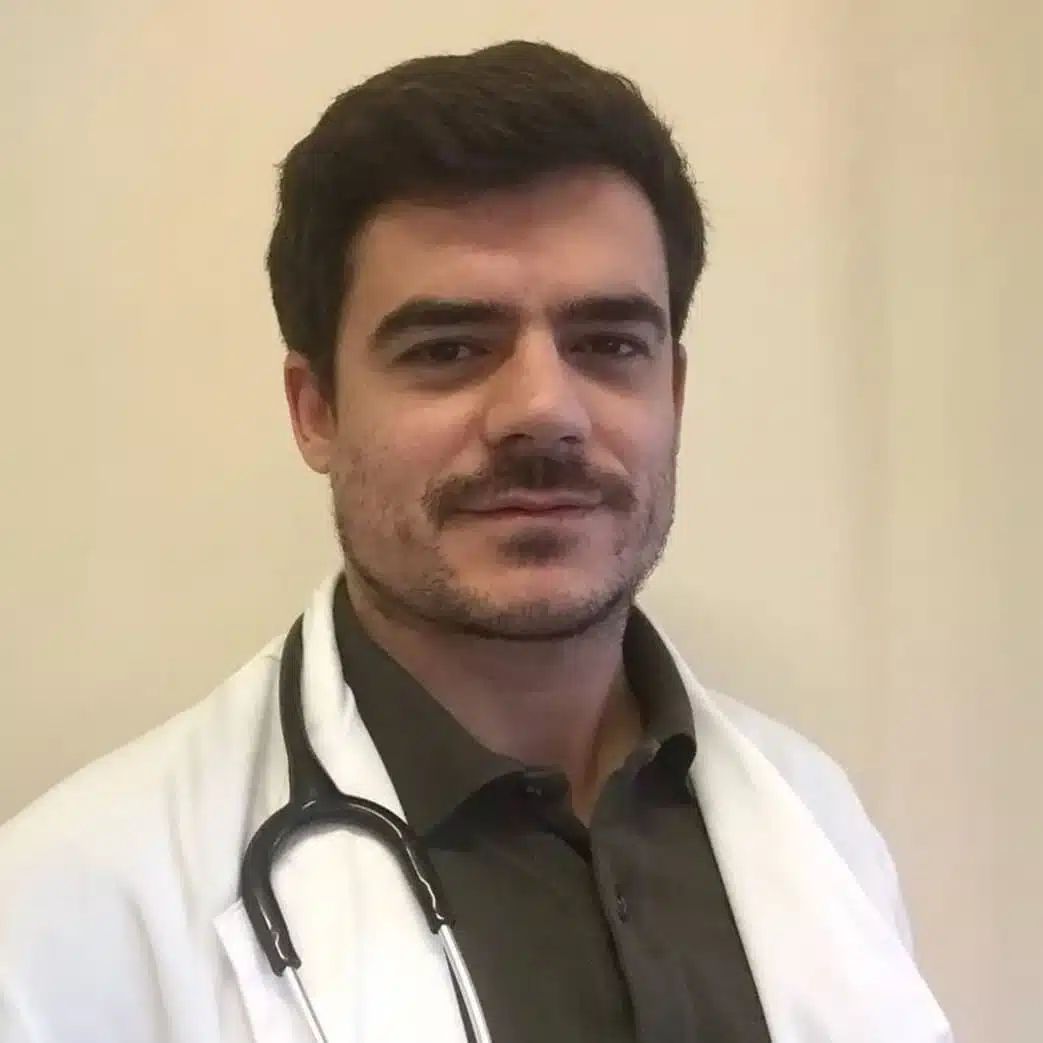
Welcome to Médico na Net! I'm Dr Igor Faria and I see medicine as a commitment to proximity, where every patient deserves to be listened to and cared for carefully.

Since the beginning of my career, I've always been fascinated by the possibility of making a difference, whether in prevention, emergency or long-term follow-up.
I believe that medicine should be accessible and person-centred, with an empathetic and integrative approach.

Dr Igor Faria

Dr Igor Faria

Training: Faculty of Medicine, University of Porto
No. of doctors: 48611

Biography

Dr Igor Faria has over 16 years' experience as a doctor and a career marked by a commitment to care and proximity to his patients. He graduated from the Faculty of Medicine of the University of Porto (FMUP) in 2008 and specialised in General Practice in 2014, achieving the title of Graduate Assistant in 2023. With a postgraduate qualification in Sports Medicine, he combines his clinical knowledge with the promotion of health and well-being in different contexts.

Throughout her career, she has been part of emergency medical teams and ongoing support, namely in the VMER in Viana do Castelo between 2010 and 2022 and in monitoring Residential Structures for the Elderly (ERPI) from 2014 to the present. Her experience and training reflect a broad interest in areas such as Geriatrics, Preventive Medicine, Emergency Medicine, Cardiology and Sports Medicine, guaranteeing comprehensive care tailored to the needs of each patient.

Her approach is based on empathy, active listening and an integrative vision of medical care. She believes that humour can be an essential tool in the doctor-patient relationship, making consultations lighter and more accessible. At Médico na Net, her main goal is to help those who can't find a solution in the National Health Service, providing a service that is accessible, humane and focused on the autonomy and well-being of her patients.

Outside of medicine, he devotes himself to his family, sport and personal development, believing that a balance between body and mind is essential for a fulfilling life. Guided by values such as beneficence, autonomy, sincerity, integrity and justice, he sees every consultation as an opportunity to help, guide and make a difference. As he likes to say, inspired by Confucius: "Choose a job you love and you won't have to work a day in your life." 

Dr Alexandra Azevedo

Training: University of Barcelona
No. of doctors: 71409

Biography

Dr Alexandra Azevedo graduated in Medicine from the University of Barcelona in 2015, where she subsequently specialised in General Practice. During her training, she developed a strong interest in the approach to chronic pain, having completed an integrated master's degree in Medicine and Surgery with clinical research into pain management. Her professional experience includes several years of clinical practice in Spain, particularly in Catalonia, where she has had contact with a wide variety of pathologies and challenges, both in the emergency department and in primary healthcare.

She currently works as a family doctor at the ULS Braga. She has been a member of the medical-surgical emergency team at Vila Nova de Famalicão Hospital and has worked as a guest lecturer at the Nursing School of the University of Minho, teaching anatomy and physiology of the circulatory, respiratory and digestive systems.

Her main clinical interests include emergency medicine, chronic pain, depression and anxiety, as well as preventive medicine and the control of vascular risk factors. She is also dedicated to anti-smoking counselling and weight loss counselling, helping her patients to adopt healthier lifestyle habits. Her approach to care is based on a holistic vision, considering health as a balance between physical and psychological well-being.

Dr Alexandra stands out for her humanism and her ability to offer quick and effective solutions to minor problems, ensuring that her patients feel well looked after. At Médico na Net, she sees an opportunity to bring healthcare to more people in an accessible and convenient way.

Passionate about music and travelling, she loves getting to know different cultures and lifestyles, which enriches her view of the world and her medical practice. For her, medicine is not just a profession, but a real commitment to the well-being of the people she cares for. As she likes to say: "Health is the balance between physical and psychological well-being.