


If you feel more comfortable, you can opt for a telephone consultation on the appointment form.
Do you suspect an STI? Speak to a doctor online quickly and confidentially.
The doctor assesses your case, indicates the appropriate analyses and, if confirmed, the right treatment.
Do you suspect a specific infection?
- Consultation in less than 24 hours
- Maximum privacy
- Trustpilot: 4.8
- 12,000+ Customers
What are Sexually Transmitted Infections (STIs)?
Sexually transmitted infections (STIs), also known as sexually transmitted diseases (STDs), are caused by viruses, bacteria or parasites transmitted mainly through unprotected sexual contact - vaginal, anal or oral.
In Portugal, the most common STIs include chlamydia, gonorrhoea, syphilis, genital herpes, HPV, HIV, hepatitis B and Mycoplasma genitalium. These infections can affect both men as women and often, do not cause visible symptoms, This facilitates transmission without the person knowing they are infected.
The good news is that most STIs have effective treatment or clinical control, especially when the diagnosis is made early. Seeing a doctor and undergoing the appropriate tests is essential to ensure prompt treatment, avoid complications and protect sexual partners.
Symptoms of Sexually Transmitted Infections (STIs)
The symptoms of sexually transmitted infections (STIs) can vary depending on the causative agent: viruses, bacteria or parasites, and are often slight or non-existent, especially in the early stages.
Therefore, a person can be infected and unknowingly transmitting the infection.
When they are present, the most common symptoms include changes in the genitals, discomfort during intimate contact and signs of inflammation.
In women:
- Abnormal vaginal discharge (yellowish, greenish or with an odour)
- Pain, burning or itching when urinating
- Pain or discomfort during sexual intercourse
- Bleeding outside the menstrual period
- Pelvic or abdominal pain
- Sores, blisters or warts in the genital area
In men:
- Urethral discharge (clear, whitish or yellowish)
- Burning or pain when urinating
- Inflammation or pain in the testicles
- Itching, redness or sores in the genital area
- Pain, discharge or bleeding after anal sex
In both sexes, general symptoms can also occur, such as mild fever, fatigue, enlarged lymph nodes or skin rash.
Like many STIs, there are no symptoms, regular screening and medical consultation are essential, especially after unprotected sexual contact or exposure to infected partners.
Causes of Sexually Transmitted Infections (STIs)
The sexually transmitted infections (STIs) are transmitted mainly through the unprotected sexual contact whether vaginal, anal or oral, with an infected person.
During intimate contact, micro-organisms such as bacteria, viruses or parasites can pass from one person to another through body fluids (blood, semen, vaginal secretions) or direct contact with infected mucous membranes and lesions.
The main transmission routes include:
- Sexual intercourse without a condom (vaginal, anal or oral)
- Sharing sex toys without proper sanitisation or protection
- Transmission from mother to baby during pregnancy, childbirth or breastfeeding (for some infections, such as HIV, syphilis or hepatitis B)
- Contact with contaminated blood, such as through needles, syringes or unsterilised instruments
STIs are not transmitted by casual contact, such as hugging, kissing, sharing glasses, cutlery, toilets or swimming pools.
A best form of prevention is the consistent condom use, a proper sanitisation of sex toys and regular screenings, especially for people with multiple sexual partners or in situations of greater risk.
How do we diagnose Sexually Transmitted Infections (STIs)?
The diagnosis of sexually transmitted infections (STIs) is done through medical assessment and specific laboratory analyses, which identify the presence of viruses, bacteria or other microorganisms responsible for these infections.
The tests can detect the infection even in the early or asymptomatic stages, ensuring early diagnosis and appropriate treatment.
At Médico na Net, the process is structured to guarantee clinical rigour, speed and total confidentiality:
- First online consultation:
One of our doctors will assess your symptoms, sexual history and possible risk factors (such as unprotected sexual contact or multiple partners).
Based on this assessment, the doctor will indicate the most appropriate laboratory tests to detect or rule out sexually transmitted infections such as HIV, syphilis, chlamydia, gonorrhoea, hepatitis B, genital herpes, HPV or mycoplasma genitalium. - Carrying out the analyses:
The patient goes to the laboratory of their choice to have samples taken (urine, blood or swab, depending on the test).
There is no need for a specific laboratory, as long as validated methods are used to detect infections. - Receipt of results:
As soon as the laboratory makes the results available, they are sent digitally, securely and confidentially, directly to the patient and to the Médico na Net doctor. - Second consultation (if necessary):
If any result indicates an infection, the patient makes a new appointment online.
At this stage, the doctor explains the results, clarifies any doubts and indicates the most appropriate treatment, This may include antibiotics, antivirals or medical surveillance, depending on the type of STI, guaranteeing the necessary follow-up until the case is resolved.
This process allows fast, secure and confidential diagnosis, You'll be accompanied by a specialised doctor, without having to travel or wait unnecessarily.
Sabia que...
Many Sexually Transmitted Infections (STIs) can be asymptomatic, especially in the early stages.
It is estimated that more than 50% of chlamydia, gonorrhoea or mycoplasma infections and a significant proportion of human papilloma virus (HPV) and genital herpes have no visible symptoms.
Even without apparent signs, the infection remains active and can cause serious complications if left untreated, such as
- Pelvic inflammatory disease (in women)
- Infertility or inflammation of the testicles (in men)
- Ectopic pregnancy
- Transmission of the virus or bacteria to sexual partners
- Increased risk of co-infection with other STIs, including HIV
What's more, a silent infection can act as a hidden reservoir, It continues to spread between partners without anyone realising.
That's why regular screening and medical follow-up are essential for identifying these infections early and avoiding complications.
How the Sexually Transmitted Infections (STI) consultation works
- Book your appointment online:
Choose the day and time of your video call from the calendar and fill in the form with your health information and any symptoms or risk exposures. - Make the payment:
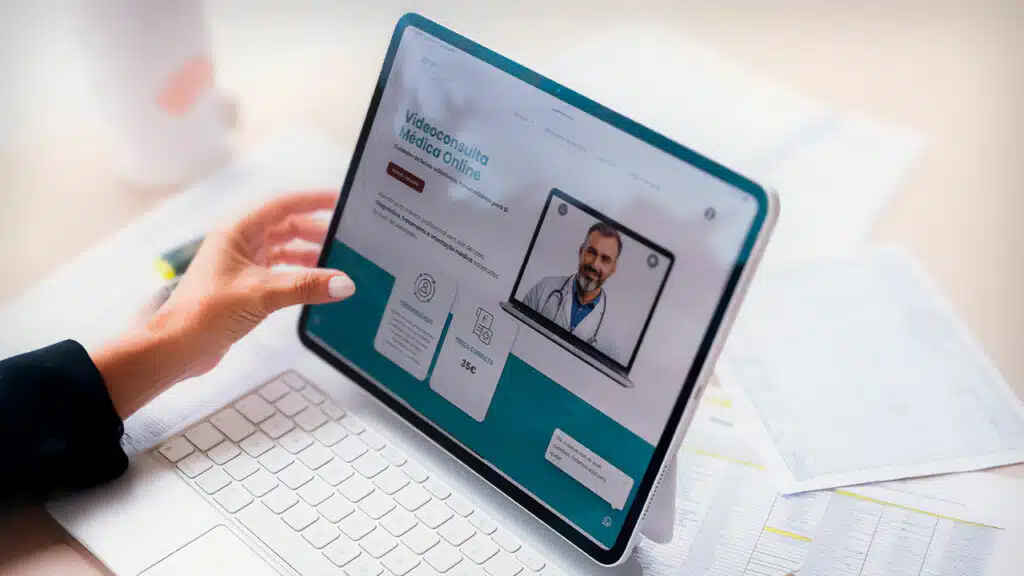
Complete your payment simply and securely - consulta médica 35 €. - Personalised medical assessment:
During the consultation, the doctor assesses your case, medical history and risk factors (such as unprotected sex or genital symptoms).
If necessary, the doctor will recommend appropriate laboratory analyses to detect or rule out sexually transmitted infections such as chlamydia, gonorrhoea, syphilis, genital herpes, HIV, hepatitis B, HPV or mycoplasma genitalium.
Monitoring and treatment:
If the result of any test is positive, an appointment is made for a new online consultation to discuss the results, clarify doubts and prescribe the most appropriate treatment, and ensuring medical follow-up until the infection is resolved.
FAQ's
What are Sexually Transmitted Infections (STIs)?
The Sexually Transmitted Infections (STIs), also called Sexually Transmitted Diseases (STDs), are infections caused by bacteria, viruses or parasites which are transmitted mainly through unprotected sexual contact - vaginal, anal or oral.
Among the most common STIs in Portugal are chlamydia, gonorrhoea, syphilis, genital herpes, HPV (Human Papillomavirus), HIV, hepatitis B and mycoplasma genitalium.
Can I have an STI without showing symptoms?
Yes. Many people with STIs no visible symptoms, especially in the early stages of infection.
Even without signs, the infection is still active and can be passed on to sexual partners, as well as causing complications if left untreated.
What are the most common symptoms of STIs?
Symptoms vary depending on the infectious agent, but the most common include:
- Abnormal vaginal or penile discharge
- Burning, pain or itching when urinating
- Sores, blisters or warts in the genital, anal or oral area
- Pelvic or abdominal pain
- Pain during sexual intercourse
- Bleeding outside the menstrual period
Enlarged lymph nodes or mild fever
In many cases, the symptoms are mild and go unnoticed, emphasising the importance of the regular screening.
How does remote STI screening work?
After booking an appointment online and filling in the clinical questionnaire, the doctor will assess your case and may request specific laboratory tests (urine, blood or swab).
Analyses can be done at laboratory of your choice, provided that it uses validated methods for detecting infections.
Is the screening confidential?
Yes. All data and results are treated with total confidentiality, in compliance with the GDPR and health data protection regulations.
Clinical information is not shared without your consent.
What happens if a test comes back positive?
If an infection is detected, the doctor will carry out an second online consultation to:
- Explain the result and its clinical significance;
- Clarify doubts and give advice on prevention;
- Prescribe the proper treatment (antibiotics, antivirals or other, depending on the infection);
Monitor progress and indicate when to repeat the test.
Do I need to inform my sexual partners?
Yes. It is essential to inform current or recent partners so that they can be tested and, if necessary, start treatment.
The doctor can advise you on how to communicate this information in the best possible way. discreet and responsible.
Can STIs be cured?
It depends on the type of infection:
- The bacterial (chlamydia, gonorrhoea, syphilis, mycoplasma) have complete healing with appropriate treatment.
- The viral (herpes, HIV, HPV, hepatitis B) no definitive cure, but they can be controlled with medication and medical monitoring, preventing complications and transmission.
When should I get screened for STIs?
- After any unprotected sexual intercourse;
- Before starting a new relationship;
- At least once a year for sexually active people;
Every 3 to 6 months for those with multiple partners or a higher risk of exposure.
What if I have alarm bells?
Seek immediate medical attention if you have any:
- Severe abdominal pain or high fever;
- Discharge with a bad odour or pus;
- Painful genital lesions;
- Difficulty passing urine or urinary retention;
- Dizziness, vomiting or intense malaise.
Teleconsultation is ideal for screening and follow-up, but does not replace face-to-face service in serious situations.
Meet our Medical Team

Dr Igor Faria
Training: Faculty of Medicine, University of Porto
No. of doctors: 48611
Welcome to Médico na Net! I'm Dr Igor Faria and I see medicine as a commitment to proximity, where every patient deserves to be listened to and cared for carefully.
Since the beginning of my career, I've always been fascinated by the possibility of making a difference, whether in prevention, emergency or long-term follow-up.
I believe that medicine should be accessible and person-centred, with an empathetic and integrative approach.

Dr Mafalda Morais
Training: University of
Santiago de Compostela
No. of doctors: 57192
Welcome to Médico na Net! I'm Dr Mafalda and I've always had a passion for medicine and the positive impact it can have on people's lives.
I believe that medical care should be accessible, precise and reliable, always respecting the individuality of each patient.
With an empathetic and humanised approach, I'm here to help you take care of your health in a complete and personalised way.