





With the arrival of spring, the increase in dust and pollen in the air can trigger seasonal allergies, affecting many people. Here are some important recommendations for taking care of your health this season and preventing allergic reactions:
- Know Your Triggers: Identify the specific allergens that trigger your symptoms, such as tree, grass or flower pollens. Consulting an allergist can help determine the specific allergens to which you are sensitive.
- Monitor Pollen Levels: Check pollen level reports regularly and plan your outdoor activities for the days when levels are lower. There are several apps and websites that provide this information.
- Keep Windows Closed: On high pollen days, keep windows and doors closed to prevent pollen from entering the house. Use air conditioning with HEPA filters to keep indoor air clean.
- Personal Hygiene and Cleaning: Shower and change clothes after outdoor activities to remove pollen and prevent it from spreading around the house. Vacuum regularly with a hoover equipped with a HEPA filter and wipe surfaces with a damp cloth to reduce dust build-up.
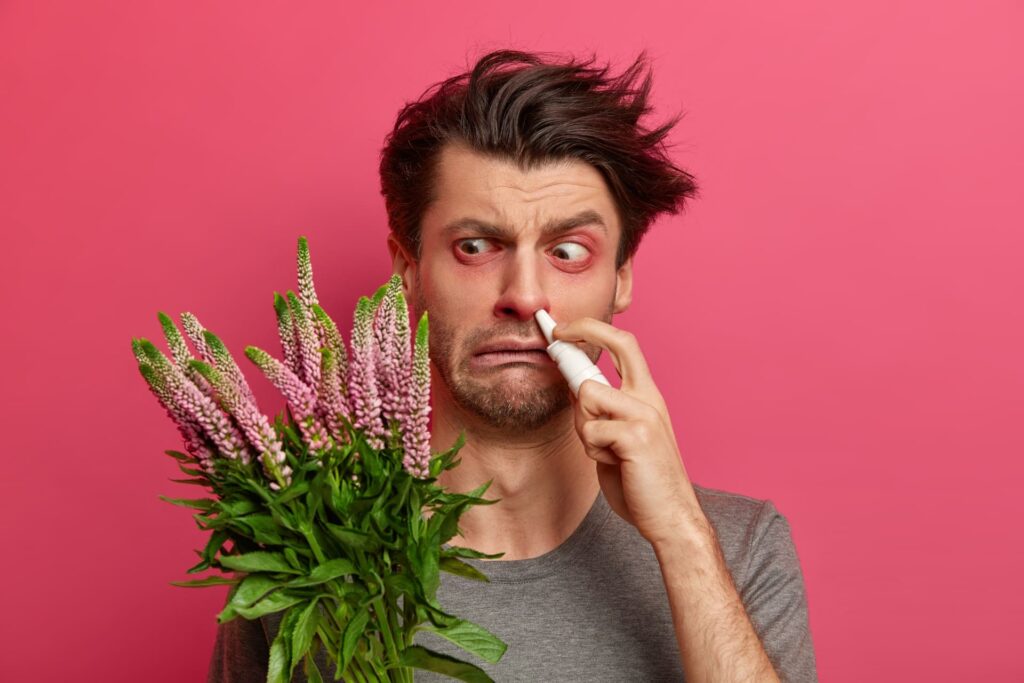
- Antiallergic medication: Use antihistamines, decongestants or nasal corticosteroids as needed and recommended by a doctor. These medicines can help control allergy symptoms.
- Personal Protection Outdoors: Wear sunglasses to protect your eyes from pollen and a face mask to reduce the inhalation of allergic particles, especially on windy days.
- Avoid Outdoor Activities in the Morning: Pollen levels are generally highest in the early hours of the morning. Plan your outdoor activities for the late afternoon or early evening, when levels tend to be lower.
- Reduce indoor humidity: Use dehumidifiers to keep indoor humidity low, which can help reduce the proliferation of dust mites and mould, common allergy triggers.
- Natural Treatments: Some natural remedies, such as nasal rinses with saline solution, can help clear allergens from the nasal passages and provide relief.
By following these recommendations, you can minimise allergic symptoms and enjoy spring more comfortably. If symptoms persist or are severe, consult a health professional for more appropriate treatment.