



What is HPV?
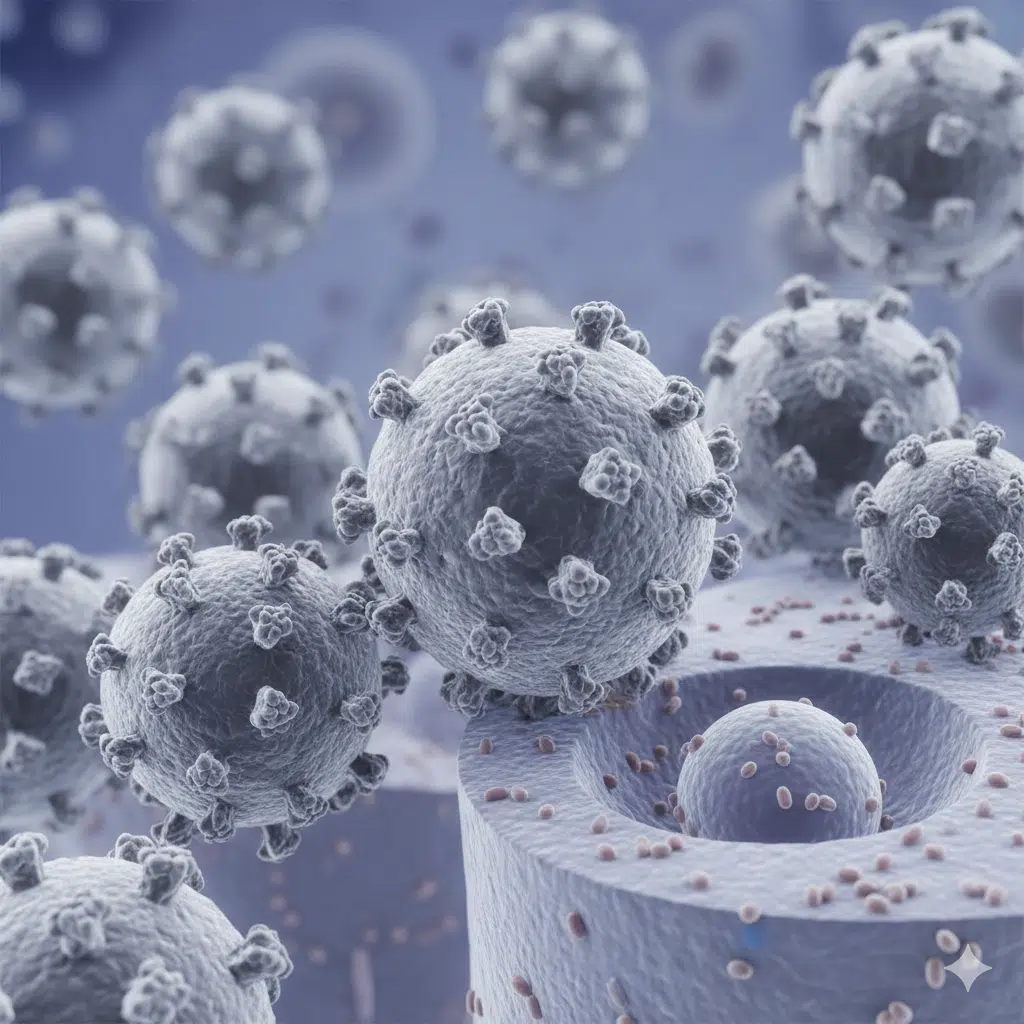
HPV (Human Papilloma Virus) is a group of viruses that infect the skin and mucous membranes of the body. There are dozens of different types.
Some types of HPV affect ordinary skin (causing warts), while others affect genital, anal, oral or throat mucous membranes.
When it reaches the genital area or mucous membranes, HPV becomes one of the most common sexually transmitted infections.
How HPV is transmitted
HPV is transmitted mainly through intimate skin-to-skin contact during vaginal, anal or oral sex, and penetration is not necessary for transmission to occur.
Direct genital contact can also be enough to transmit the virus.
The risk is higher in those who have multiple sexual partners or unprotected relationships.
Why it's important to know that HPV is common and often silent
In most cases, HPV does not cause visible symptoms.
Often, the immune system eliminates the virus naturally within months or a few years.
However, in some cases the infection persists, especially with high-risk HPV types, which can cause changes in the cells and eventually develop into genital, anal or oral cancer.
Differences between men and women in HPV infection
Although HPV can affect anyone who is sexually active, there are some important differences between the sexes:
Women
- Higher risk of cervical cancer, one of the cancers most associated with high-risk HPV.
- Infection can also be associated with cancers of the vulva, vagina, anus and throat.
- There are screening programmes (such as the Pap smear and HPV test) which can detect early changes in the cervix.
- Vaccination is often offered to girls between the ages of 9 and 14, but is also recommended up to the age of 26 (or older in some cases).
Men
- Although less targeted in screening campaigns, HPV can cause genital warts, penile cancer, anus and throat.
- Men who have sex with men have a higher risk of persistent infections and anal cancers.
- Vaccination is also effective and recommended for boys and adult men, especially in at-risk populations.
Symptoms and manifestations of HPV
Genital warts (condylomas)
Some types of HPV cause warts in the genital area, anal area or sexual organs.
These warts can look like small lumps or cauliflower-like lesions, and can appear weeks or months after infection.
Lesions can also appear in the mouth or throat after oral contact.
Silent precancerous lesions
High-risk HPV types do not cause visible symptoms.
They can cause cellular changes that are only detected by medical tests, such as the pap smear or HPV test.
The absence of symptoms does not mean the absence of risk.
HPV diagnosis
- Clinical examination: in case of visible warts.
- Screening tests: to identify cellular alterations or asymptomatic infections, especially in gynaecological screening programmes.
Treatment and limits
There is no treatment that completely eliminates the virus.
Lesions (such as warts) can be treated with cryotherapy, surgical removal or other methods.
Pre-cancerous lesions require medical supervision and, in some cases, specific treatment.
Many infections disappear naturally, but the persistence of the virus can have serious consequences.
HPV prevention
- Vaccinations: protects against the most common types of HPV associated with genital warts and cancer.
- Condom use: reduces, but does not completely eliminate, the risk of transmission.
- Regular screenings: important to detect changes before they develop.
- Counselling and sex education: help prevent infection.
When should you consider screening or consultation?
Consider talking to a health professional if:
- Had unprotected sex
- Has multiple sexual partners
- Genital lesions or warts have appeared
- You have a history of Pap smear changes
- Want to get vaccinated or get advice
HPV is a very common infection that is often silent.
Although it doesn't always have consequences, some types of the virus can cause serious lesions and even cancer.
Vaccination, screening and medical follow-up are essential to prevent complications. Read more about the best times to screen for STIs here.