



What are STIs?
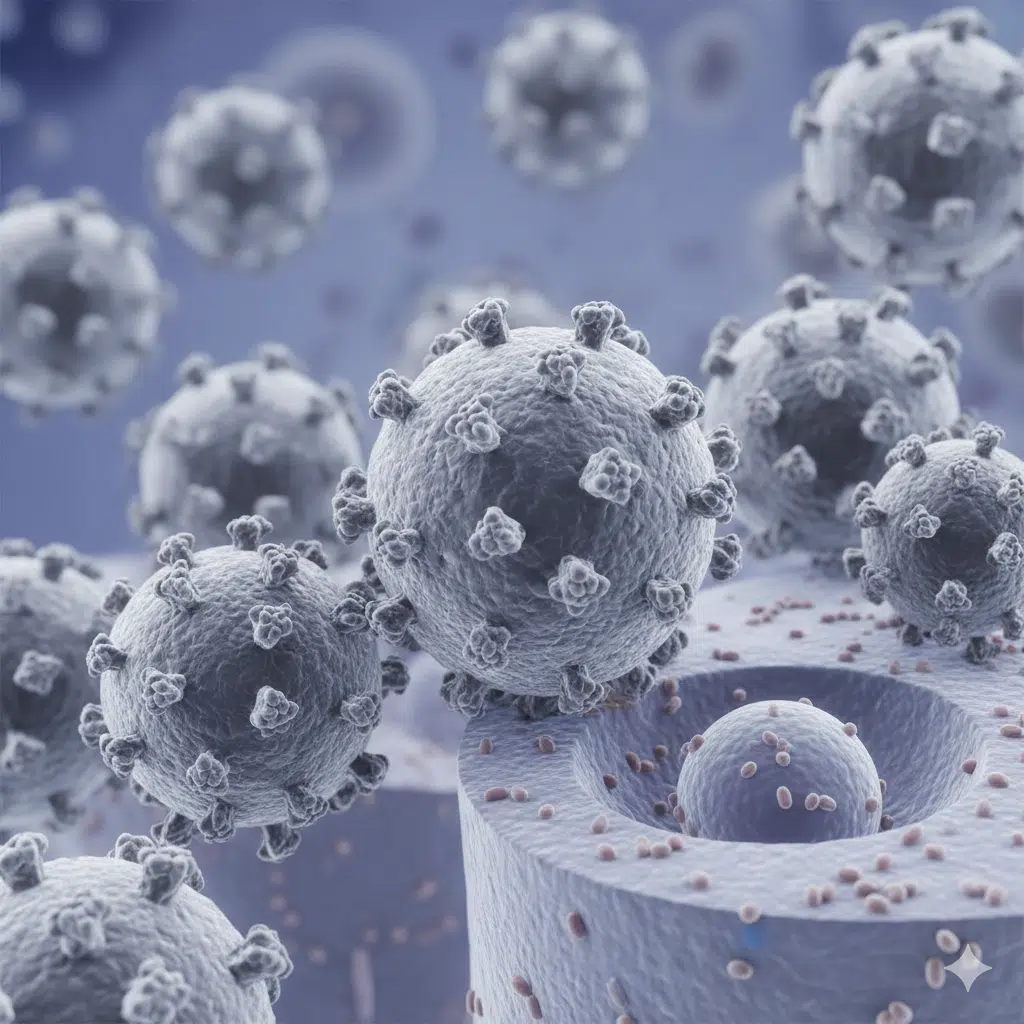
The Sexually Transmitted Infections (STIs) are infections that are transmitted mainly through unprotected sexual contact. They are often do not cause symptoms, This means that a person can be infected and transmit the infection without knowing it. Ignoring screening can lead to serious complications health, especially if the infection remains untreated for weeks, months or years.
Most common STIs
STIs include infections such as HIV, chlamydia, gonorrhoea, syphilis, genital herpes, VPH (human papilloma virus), hepatitis B and C, and also Trichomoniasis. Some are easily treatable; others require continuous medical monitoring.
Why is it important to get tested?
Even in the absence of symptoms, you may be infected. The test allows you to:
- Detecting silent infections
- Start early and effective treatment
- Avoid serious long-term complications
- Protect current and future partners
What are the consequences of an undiagnosed STI?
- In women, If left untreated, an infection can lead to pelvic inflammatory disease, infertility, ectopic pregnancies, complications during pregnancy or transmission to the baby.
- In men, This can cause testicular inflammation, fertility problems, chronic pain or facilitate the transmission of other infections.
- In both sexes, certain STIs increase the risk of developing cancers (such as cervical or penile) and systemic complications.
Situations in which you should be tested for STIs
After having unprotected sex
Whenever you have sex without a condom, whether vaginal, anal or oral with a partner whose health history you don't know, you should consider getting tested.
When you start a new stable sexual relationship
The beginning of a stable love relationship is usually accompanied by greater intimacy and trust. Couples often choose to stop using condoms as a sign of commitment, but this decision must be taken responsibly.
Before they stopped using protection, It is essential that both take STD screening tests, Even if neither partner shows any symptoms. This is because many infections can remain asymptomatic for months or years, and are transmitted unknowingly.
This gesture shows mutual respect, maturity and care for the health of both.. It also allows the couple to begin this new phase in complete transparency, reducing the risk of unpleasant surprises in the future.
Advantages of getting tested before starting a stable relationship:
- It guarantees a basis of trust and security in the relationship.
- It makes it possible to identify and treat any infection at an early stage.
- Helps you make informed decisions about whether or not to use a condom.
- Prevents long-term health complications for both.
Even if you have been in a previous relationship that is considered “safe”, it is possible to have contracted an infection without knowing it. That's why screening is recommended whenever you change partners, especially when the goal is to build a lasting and healthy relationship.
Multiple partners or occasional sex / one-off encounters
If you have multiple partners, occasional relationships or use dating apps, the risk of exposure to STIs increases. In these cases, regular testing (every 6-12 months, even if there are no symptoms) is recommended.
When suspicious symptoms appear
Seek help if you notice discharge, genital sores, itching, pelvic pain, burning when urinating or other discomfort, even mild symptoms should be assessed.
Pregnancy or family planning
Screening before or during pregnancy helps protect the health of mum and baby.
After suspected exposure
This includes situations such as sexual violence, condom failure or contact with an infected person. The test should be carried out as soon as possible and may need to be repeated after a few weeks.
Regular sexual check-ups
For those who maintain an active sex life, regular STD testing, for example every 6 to 12 months, is a recommended preventative measure, especially if there are new partners or frequent risk.
Where to get tested?
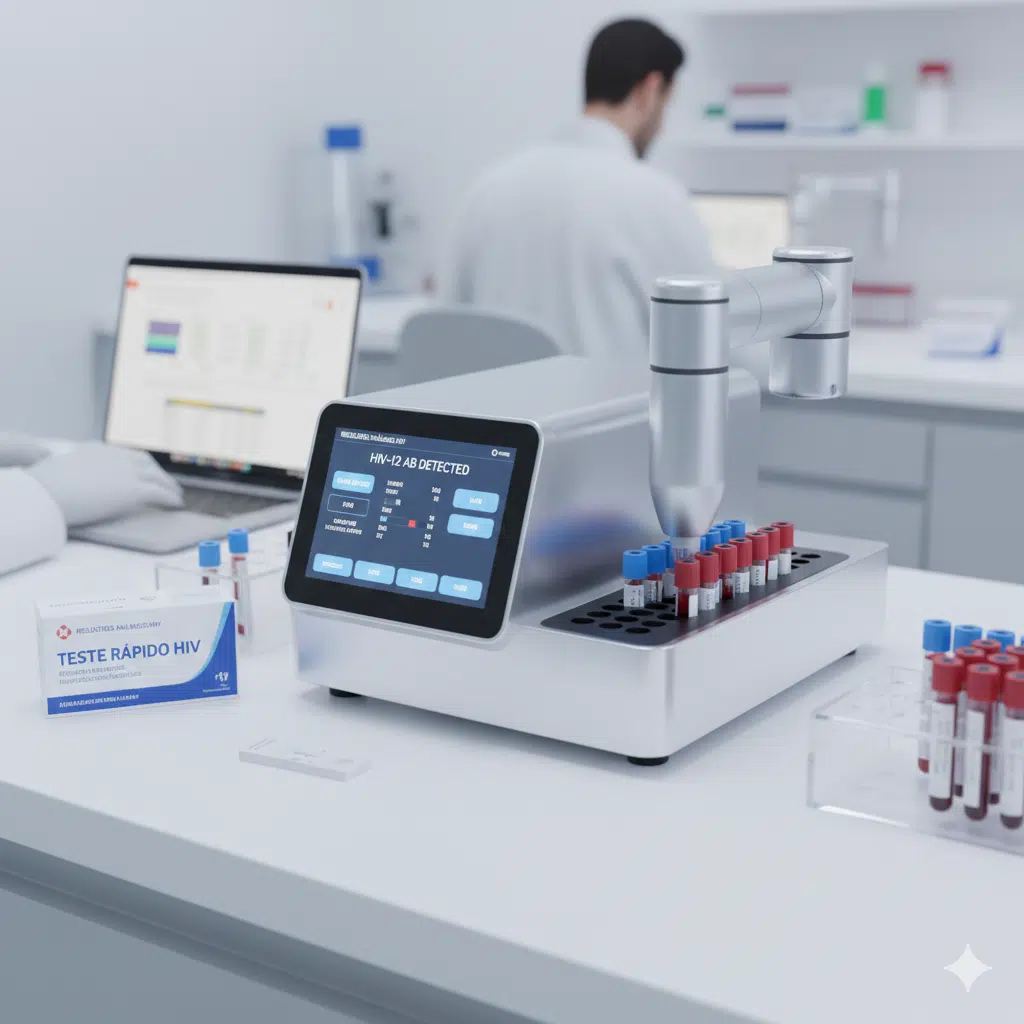
At Médico na Net, you can book an online medical consultation. A doctor will assess your case, indicate the appropriate tests and refer you to a laboratory (of your choice). Everything is done discreetly and without leaving your home.
Conclusion
Don't wait for symptoms to get tested for STDs. Most of these infections can be silent, but cause serious damage if not diagnosed and treated. Early diagnosis and treatment protect your health and that of others. Book a medical appointment online today.