





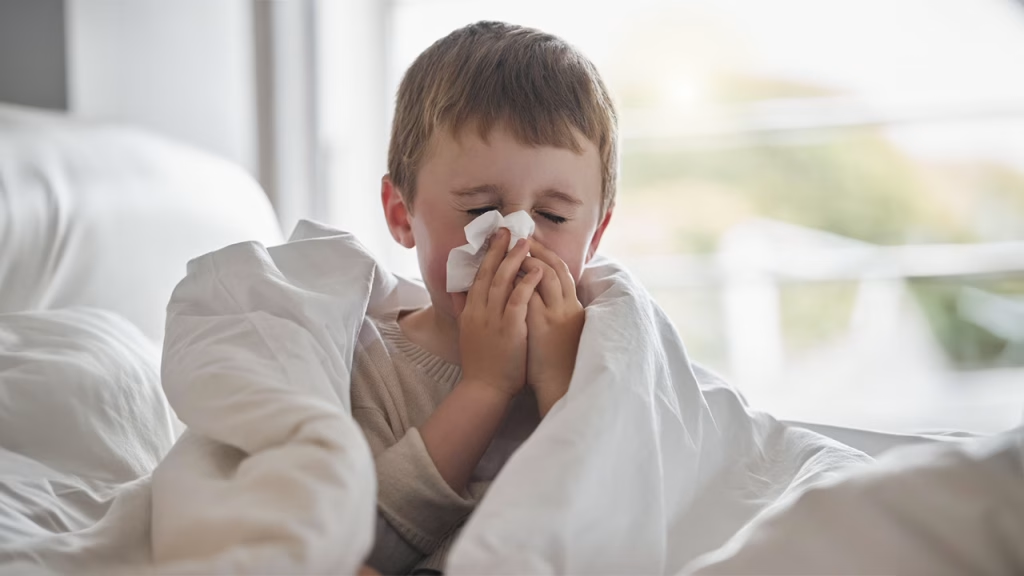
A allergic rhinitis in children is a fairly common condition caused by exposure to allergens such as dust mites, pollen, animal dander and fungi. When a child comes into contact with these substances, the immune system overreacts, causing inflammation in the nasal passages.
This condition can affect quality of life, sleep and even school performance, making it essential to identify and treat it early.
The most common symptoms of allergic rhinitis in children include:
Frequent sneezing
Nasal discharge (runny nose)
Itchy nose, eyes or throat
Nasal congestion
Difficulty sleeping due to nasal obstruction
It's important to be aware that allergic rhinitis can also be associated with respiratory diseases such as asthma, and can have a lasting impact if not treated properly.
Nasal Sprays for Rhinitis: Types and Usage
The nasal sprays are often indicated to quickly relieve the symptoms of rhinitis, especially nasal congestion.
Types of Nasal Sprays
Nasal corticosteroid sprays:
Highly effective in controlling inflammation of the nasal passages. Used daily to prevent symptoms.Decongestant sprays:
They work by reducing swelling of the mucous membranes, providing immediate relief. However, prolonged use should be avoided as it can aggravate congestion.Antihistamine sprays:
They block the action of histamines, quickly relieving symptoms such as runny nose and sneezing.
The use of nasal sprays in children should always be guided by a doctor, ensuring that the safest and most effective treatment is chosen.
Vasomotor Rhinitis: What It Is and What the Symptoms Are
A vasomotor rhinitis is a different condition to allergic rhinitis. It is not associated with allergies, but rather with changes in blood flow in the nasal passages, and can be triggered by:
Sudden changes in temperature
Environmental pollution
Strong smells
stress
Hormonal changes
Symptoms of Vasomotor Rhinitis
Intermittent nasal congestion
Clear nasal discharge
Feeling of a blocked nose, especially when waking up
Nasal irritation without itching or sneezing typical of allergies
Although the symptoms may be similar, vasomotor rhinitis does not involve an immunological reaction. Treatment often includes the use of appropriate nasal sprays to control symptoms.
Online Consultation for Allergy Assessment and Treatment
If your child has symptoms of allergic rhinitis or another respiratory condition, it's important to seek medical attention. In Doctor on the Netyou can book an appointment online consultation for allergieswithout leaving home.
The allergy consultation includes
Full symptom assessment
Identification of possible triggering factors
Prescription of appropriate treatment (including medication and environmental guidelines)
Therapeutic monitoring and adjustment, if necessary
Online care by experienced doctors
✅ Comfortable and safe consultation without travelling
Prescription of treatment for allergic rhinitis, vasomotor rhinitis and other allergic conditions
Conclusion
A allergic rhinitis in children can have a significant impact on well-being and school performance. Identifying the symptoms and starting appropriate treatment is key to avoiding long-term complications.
If you suspect that your child may suffer from allergic rhinitis or another respiratory problem, book your appointment now. online allergy consultation at Médico na Net and guarantees a personalised diagnosis and treatment.